Raisa Sarang Deotale
raisa.patil@gmail.com
Resume
My name is Raisa Sarang Deotale and I'm a senior at Purdue University studying political science, global studies, and professional writing with a minor in human rights.
1. MLK Reading Response
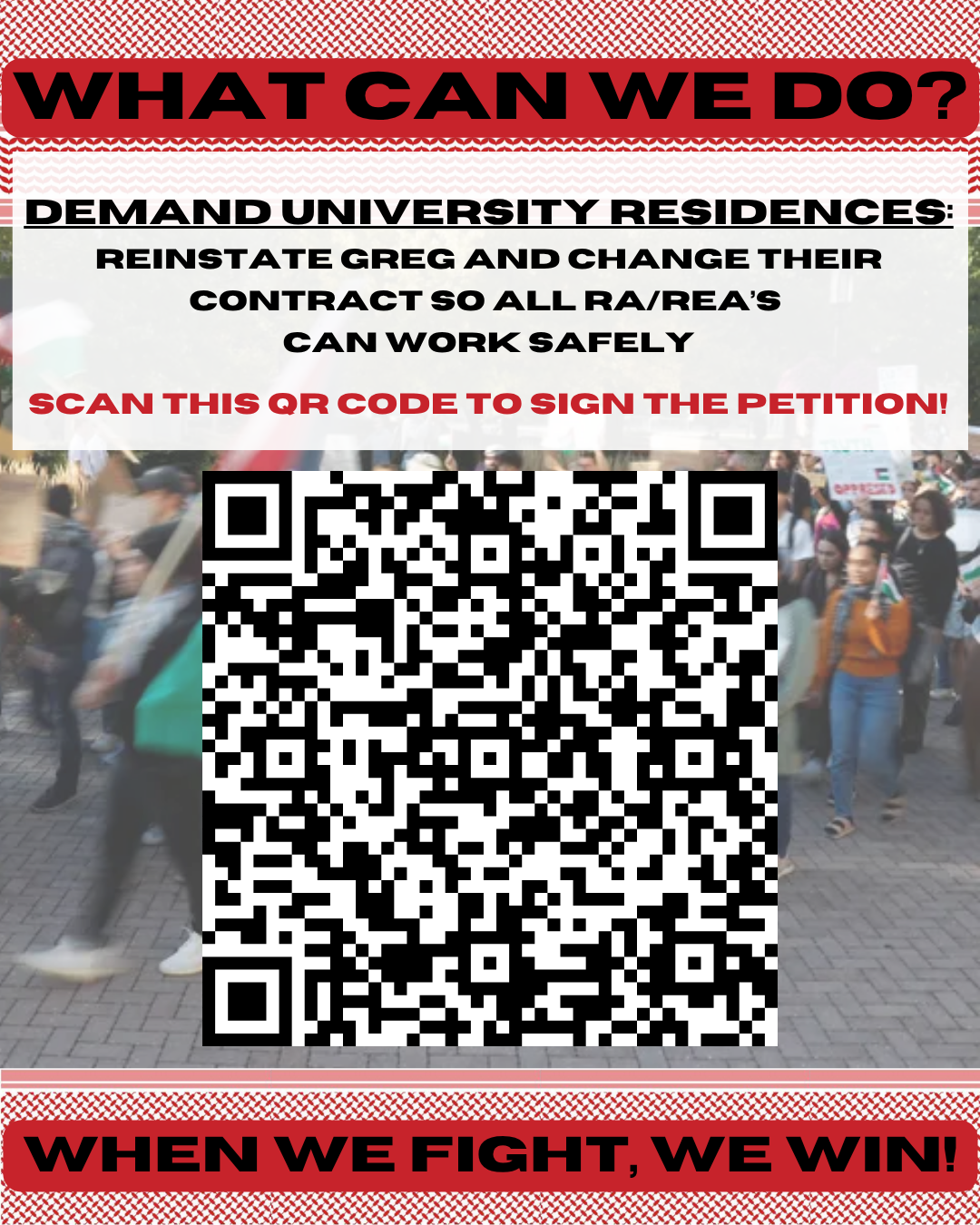
Martin Luther King delivers his last sermon titled "Remaining Awake Through a Great Revolution." Within the first few pages I was struck by King’s anecdote of Rip Van Winkle. He highlights a man who sleeps through a revolution and connects the story with the current social movement. This story resonates with me because I believe we are present in that very same reality. While the current state of our society is bleak and rapidly getting worse, the general masses are still apathetic to everyday injustices. King states, "The world in which we live is geographically one. The challenge that we face today is to make it one in terms of brotherhood" (King 269). Here King is directly speaking to the idea of class solidarity. There is one struggle and that's class struggle. We must create stronger communities that protect and serve one another. I would assert that the apathy working class people possess is a result of manufactured consent and their material conditions. American propaganda is deeply embedded in our society through media, academia, and culture. The invasion of Venezuela for instance has been planted in the minds of Americans for decades. As President Trump bombed and sent his troops across borders, Americans had already bought the lie of "establishing democracy." The same lie that was used in Afghanistan, Iraq, Vietnam, Palestine, and more. The conditions for working class Americans have declined to such a degree, that events abroad and even injustices close to home will not halt their everyday activity. This system is intentional to allow the ruling class to exploit, while working class people are too busy struggling to pay rent, get groceries, and afford healthcare to notice.
King also calls for action as he explains the myth of time. He describes the passivity of the masses as they wait for time to change their material conditions. King refutes this narrative and claims that "Time is neither constructive nor destructive" (King). In other words, time as a construct is neutral. It will not make our conditions worse, but it will also not make it better. I would argue that time is not on our time. Especially with the current climate crisis, our earth’s resources have been exploited to a point of no return. It is critical to understand and contextualize today’s political conditions.
2. Ambivalence Interview
What's your name and where are you from?
My name is Raisa Sarang Deotale and I am a student organizer from central Jersey!
What do you do as an activist?
A mix of advocacy, mobilizing, organizing, and mutual aid.
What was the first cause you got involved in?
Hmmm. I'd have to think... this is a deep cut, but I went to a disproportionately white high school in a global studies program. We would have a lot of discussions that focused on local and international politics. Because the class was mostly white, they would settle on conclusions that were ridiculously racist, homophobic, and sexist. My junior year, I was reported to the teacher for antisemitism because of my pro-Palestinian advocacy. In high school, I strived to radicalize my peers by bringing forward dialogue and conversations they've never been exposed to and confronting the status quo. That was my first step into activism, advocacy and pushing forward class consciousness. Education is incredibly important for radicalizing our world. Especially because racism, imperialism, and colonialism are sewn into the fabrics of our society. It is critical to take the time to unlearn them, otherwise you are just another tool perpetuating violence and hate.
What is activism to you?
Anything that is actively confronting, disrupting, and resisting systems of oppression or the ruling class. I don't want to be too vague because there's a lot of "online activists" that comment Free Palestine, but don't do concrete things to change their material conditions. Like seriously... the left tends to criticize their own more than anything. It is frustrating (although, I'm a perpetrator of that as well). There are nuances, like the philosophy of "joy as a form of resistance." Yes, if you are trans or black or brown and your literal existence is being stifled... yes be intentionally proud and loud (with a diversity of tactics of course). But if you're a white woman... your morning yoga is not revolutionary, join a coalition girl.
How do you balance your personal life with your activism?
I don't. I think it's a very liberal and privileged approach to distinguish your social and political life. I am a socialist always. Not just when it's convenient for me. This means engaging in uncomfortable conversations to hold my friends and family accountable, conducting wellness checks on community members, organizing rallies and sit ins, sharing my food, and dedicating my time and energy to labor movements.
How did you get involved in YDSA
I saw a flyer my freshman year, went to a meeting, and never looked back.
How do you handle criticism and opposition while advocating for a cause?
Discipline. Every revolutionary must be able to look fascism in the face and make strategic and calculated decisions. I'm not saying don't punch a nazi... because punch a fucking nazi! But if you're leading a protest on your school's campus against a right-wing grifter and you have counter protestors yelling racist shit in your face, weight the costs and benefits of violent tactics. Remember what you're fighting for and why. Don't make risks at the consequence of your comrades. I don't waste my time thinking about how to "handle criticism" from the right, in fact if the right is agitated, you're doing something right.
How do you handle setbacks and failures in your work?
There’s a book called "We Do This till We Free Us" by Mariame Kaba. Great book. Analyzes the prison industrial complex and what it means to be an abolitionist. Anyways, it has a chapter dedicated to hope as discipline. When I'm facing failures and loss, I think about that a lot. A lot of people approach hope as a feeling, but Kaba preaches that hope should be something we actively practice. In moments of defeat, I take a moment to remind myself of a few things. 1. What it is I'm fighting for and why. Don't just think about oppressive systems. Remember the people, I think of my immigrant parents a lot, and my community. The feeling of freedom when I'm around loved ones and the life, I want to be able to build for myself and others. 2. That what we are up against is a powerful, evil, exploitive system that is designed for us to lose. Being an organizer means that you will take on a lot more losses than wins, and that's okay. It's part of the struggle. Learn to navigate that feeling. 3. Revolutionary optimism is an absolute necessity. It means that despite all odds you believe a better world is possible. Resist nihilistic thoughts. If I feel like giving up, then they win. This is exactly what the ruling class wants: for revolutionaries to hit walls and give up. I refuse to lose in my own mind.
Any advice to anyone wanting to make a change?
Get fucking organized. Stop making excuses. There are always a million reasons to not go to your local leftist or mutual aid organization. If you are tired of your material conditions and you want to change that, make the time and get connected. Your conditions won't change without you. I promise you there are always people around you that are organizing and need help, and if there isn't start one. Too many people focus on the purity aspect of organizing... being this perfect "activist." It doesn't exist; the reality is that we're all learning and adjusting as we go. It's okay to make mistakes, just keep going.
3. Poem #3
The river runs on
people tired of surviving
begging to live
Throwing Stones in the hope
that the ripple will give
Power to the people and those
held captive
Let the blood stain
those that were dismissive
May we never forget
and never forgive
4. Literature and the demand to act
As writers we have an obligation to advocate and empower the voices of those who are systematically silenced. Communication is heavily tied to activism. From digital media to reports and other publications, writers are tasked with being objective with the truth. When the truth is hard to swallow, how do we digest it?
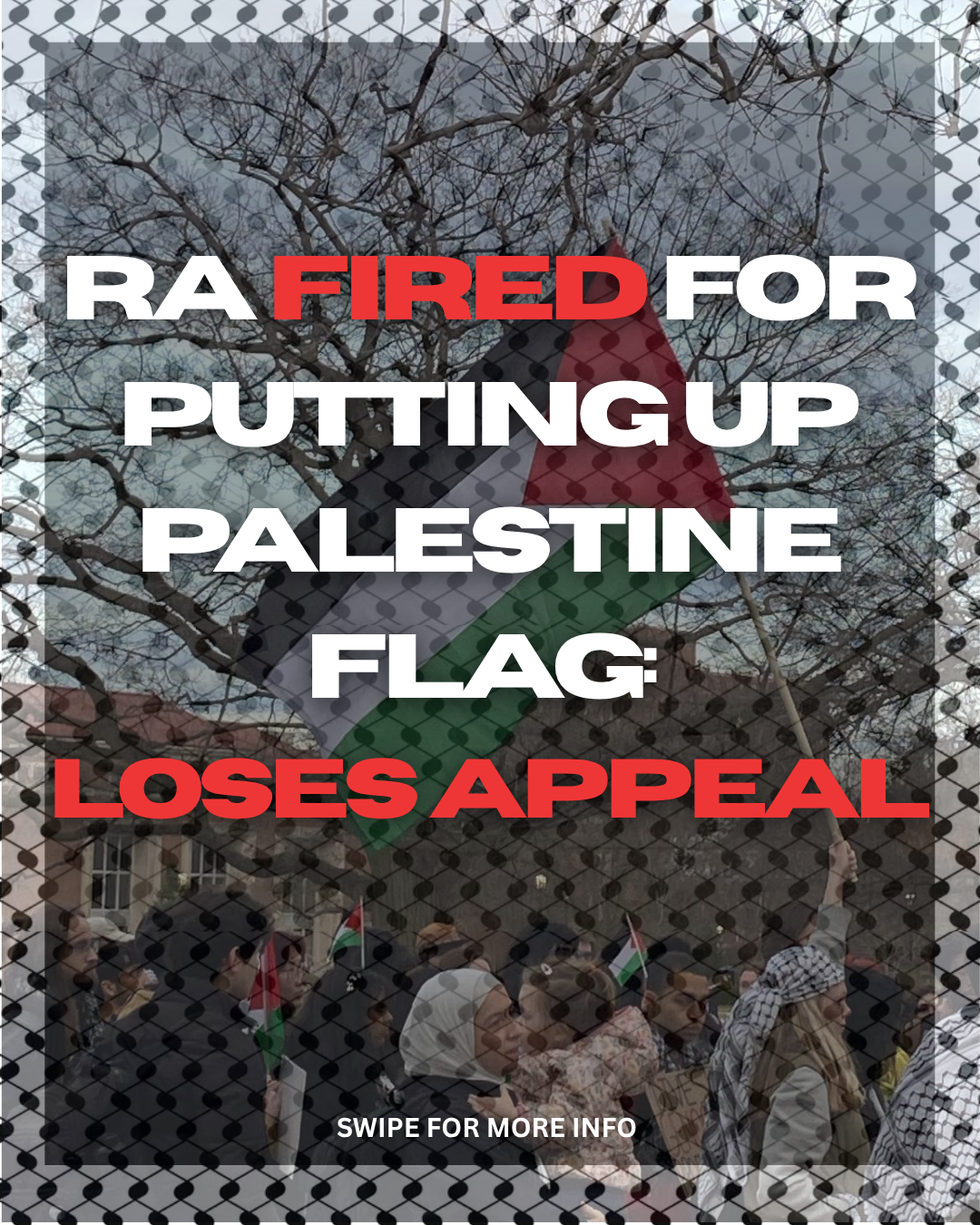
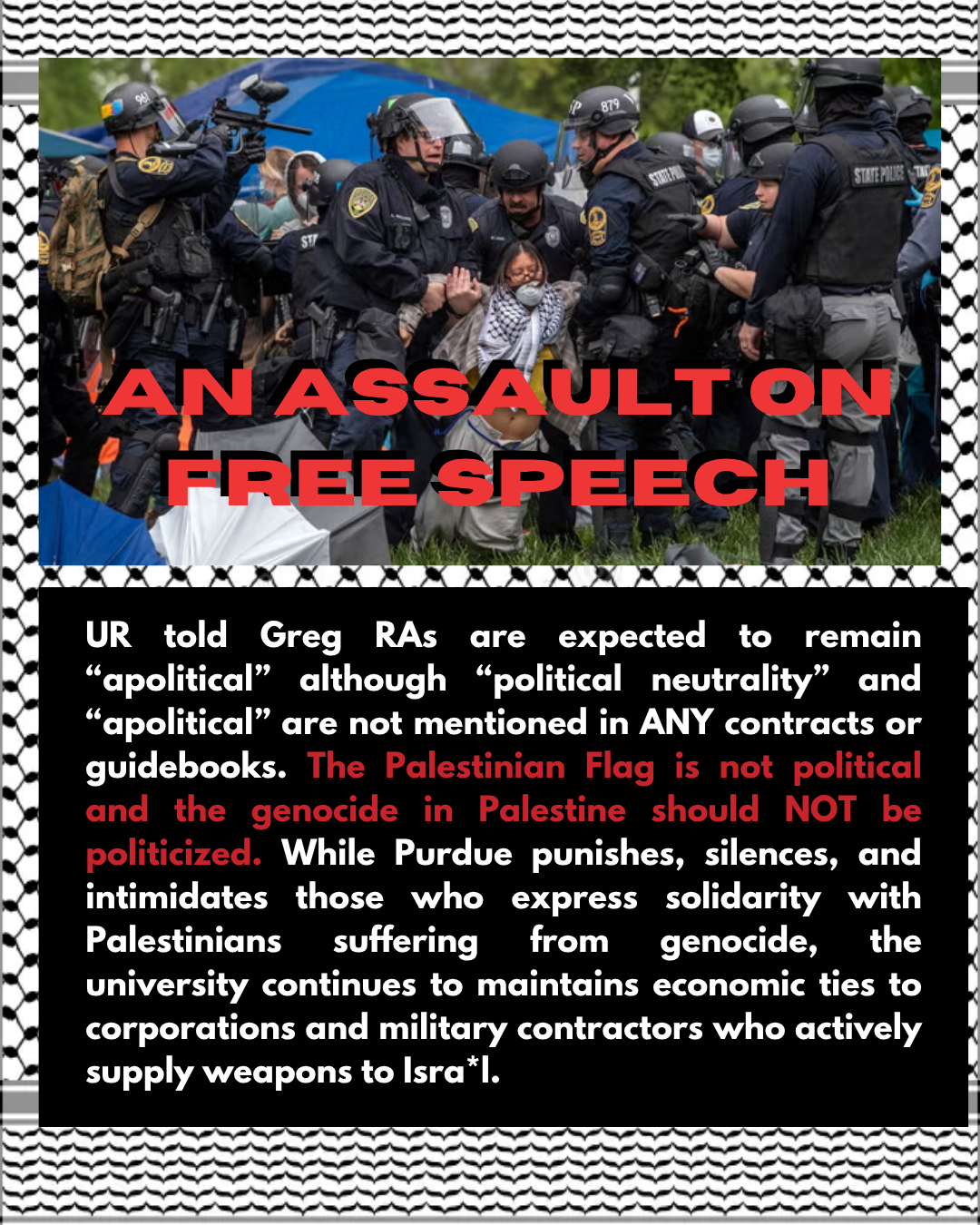
Writers must distinguish between advocacy, mobilizing, and organizing in order to establish their goals and achieve them. This comprehension is crucial to understand how power is structured in a class, race, and gendered society. Advocacy is centered around bringing awareness to a cause. This is done by engaging others in your movement. Art and social media are tools used in advocacy due to their widespread reach. The downside of advocacy is that it is often a small limited win. As seen during the Black Lives Matter campaign, users were influenced to repost a black screen on social media to stand in solidarity with Black Americans who faced police brutality and systematic racism. While this brought to light the issue at hand and displayed a concrete number of how many citizens support this movement, it did little to solve the injustices at hand. Mobilizing is an improvement over advocacy as it pulls in people who are more committed to the cause. This strategic approach is centered around optics, public relations and symbolic change. Rallies and protests are invoked on a one-and-done basis. This gives activists something to do but does not address who shows up and why. Last year, the YDSA (Young Democratic Socialists of America) and SJP (Students for Justice in Palestine) chapter at Purdue University held weekly protests for the ongoing genocide in Palestine from October 2023 to March 2024. While this showed Purdue University that we were committed to this movement and would continue to protest until our demands were met, admin easily ignored our objections. Organizing is argued as the most successful and important method of social change. This is because it recognizes and places agency in the hands of the workers. The goal is to shift the power from the ruling class to the hands of the people. Using escalating tactics in a pressure campaign with clear demands is part of the strategy. Alongside protests, YDSA and SJP produced a resolution that urged Purdue University to call for a cease-fire and divest from weapons manufacturing companies that sold weapons to the state of Israel. As expected upon handing this resolution to President Mung we were dismissed. Following this we spread our resolution to clubs and businesses on campuses to create a coalition of over 40 clubs that support this bill. After being disregarded again, we pushed this resolution into the West Lafayette City Council, Purdue Grad Student Government, and Purdue Student Government. It was when all three of these institutions rejected our resolution that we escalated to the encampments that were seen on last semester's Memorial Lawn. This encampment was a form of escalation in a pressure campaign that stood in solidarity with our comrades in Columbia University and other schools across the country. Students, Staff/ Faculty, Purdue Alumni and News stations were all present at the encampment. Although four student organizers and clubs received charges from the University, it has been clearly established that Palestine is a cause that rallies the masses and will not cease to exist until change is enacted.
The truth is that when there is so much injustice and inequality in the world, we must actively make an effort to fight systematically and strategically. Writers have the power to shape how we perceive the world. We must be strong and honest even at the cost of our comfort.
5. Digital Design